
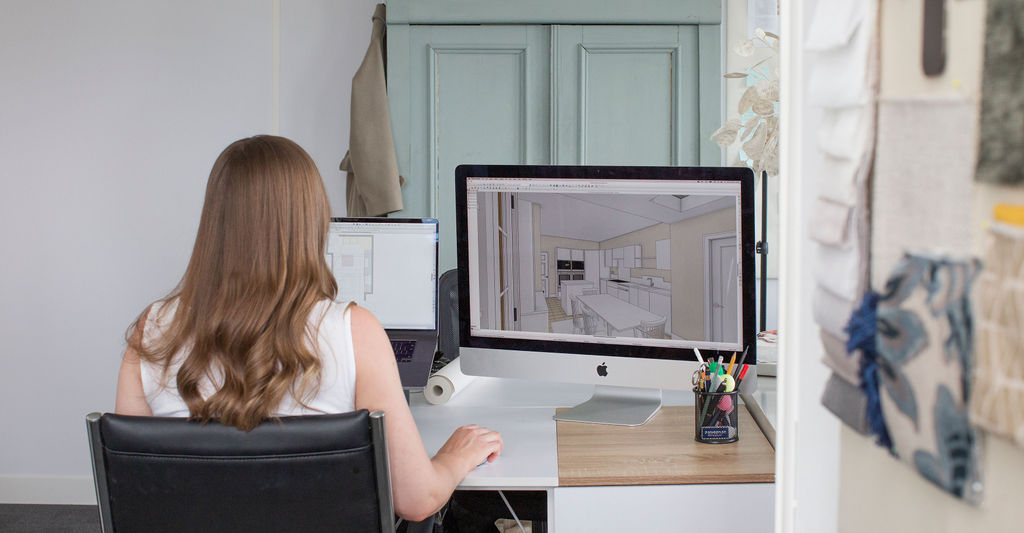
What Does an Interior Designer Do During a Renovation? (And Why It Matters More Than You Think)
Most people have a rough idea of what an interior designer does.
They choose colours.
They source furniture.
They help make things look nice.
And to be fair, that’s not wrong. But in the context of a renovation, a new-build or significant cosmetic update, it’s also not particularly helpful.
Because by the time you’re choosing cushions, most of the important decisions should already have been made – whether you realise it or not.
A more useful way to think about it is this:
What role does an interior designer actually play in shaping a renovation from start to finish?
What does an interior designer do during a renovation?
An interior designer helps plan how a home will function and feel before building work begins, and manages the design through to completion.
This typically includes:
- planning layouts and how rooms will be used
- designing the overall look and feel of the whole house
- selecting materials, finishes and furnishings
- coordinating orders, suppliers and timelines
- overseeing installation and final details
Explore this guide
- The short answer
- What people think an interior designer does
- What an interior designer actually does during a renovation
- Why this matters more in renovations
- The difference between decoration and design-led renovation
- When this level of interior design makes sense
- What does this typically cost?
- When should you bring a designer in?
- Still deciding if it’s right for you?
The short answer:
In practice, this means they’re not just brought in at the end to decorate or choose soft furnishings.
They’re involved much earlier in the process (often before any building work begins) helping to shape key decisions and avoid problems later on.
They also take responsibility for pulling everything together, so you’re not left trying to coordinate hundreds of decisions and suppliers yourself.
So while it might look like they’re “designing a room”, what they’re really doing is making sure the whole house works – and that it actually comes together properly once it’s finished.
What People Think an Interior Designer Does
Most homeowners start with a fairly similar picture in mind.
Things like:
- choosing paint colours
- selecting furniture
- styling the finished space
And yes, those things are part of the process, but they’re really just the final layer.
They’re what you see at the end, not what determines whether the house actually works once you’re living in it.
What an Interior Designer Actually Does During a Renovation
In a renovation, the role is much broader and, in many ways, far more practical than people expect.
You might also come across the term “full-service interior designer”. It’s an industry phrase, but in practice it simply means a designer who stays involved from the early planning stages (before any site work or construction begins) right through to installation, rather than just stepping in at the end.
1. Planning How the Home Will Work
Before any finishes are selected, the focus is on how you’re actually going to live in the space.
That means thinking about things like:
- how each room will be used day to day
- how the rooms connect and work together as a whole
- where furniture will realistically sit
- what storage you actually need (not just what looks good on a plan)
This stage often influences layout decisions in ways that are surprisingly difficult to change later.
Once walls are built and electrics are in, you’re largely committed.
2. Designing the Whole House, Not Just Individual Rooms
One of the biggest differences is that they’re not thinking room by room. They’re considering how the whole house works together.
So instead of ending up with a series of nicely decorated spaces that don’t quite relate to each other, you get:
- materials that flow naturally between rooms
- colours that feel balanced across the house
- everything feels like it belongs together
It’s the difference between a home that feels intentional, and one where the scale, layout or choices don’t quite sit comfortably together. Often it’s not one big mistake, but a series of smaller decisions that haven’t quite been thought through.
The best-designed homes often feel as though they’ve come together over time, even when they’ve been carefully planned from the start.
And interestingly, the more significant the project, the less likely people are to leave the design to chance. Not because they lack good taste, but because they understand that a well-designed home isn’t the result of a few good decisions — it’s the result of many decisions working together.
3. Preventing Expensive Mistakes (Often Without You Realising It)
This is probably the least visible part of the job – but often the most valuable.
A lot of what a designer does is quietly stopping problems before they happen.
For example:
- making sure lighting is positioned correctly for how the room will actually be used
- thinking about curtains before window positions are finalised in extensions
- designing joinery before it’s built, not after
- selecting materials early enough to avoid delays or compromises
Because renovations happen in sequence, decisions made late tend to be the most expensive ones. And unfortunately, they’re also the ones most likely to be rushed.
Or put more simply:
Good design can feel like a considered investment upfront.
Poor decisions are what make renovations unnecessarily expensive.
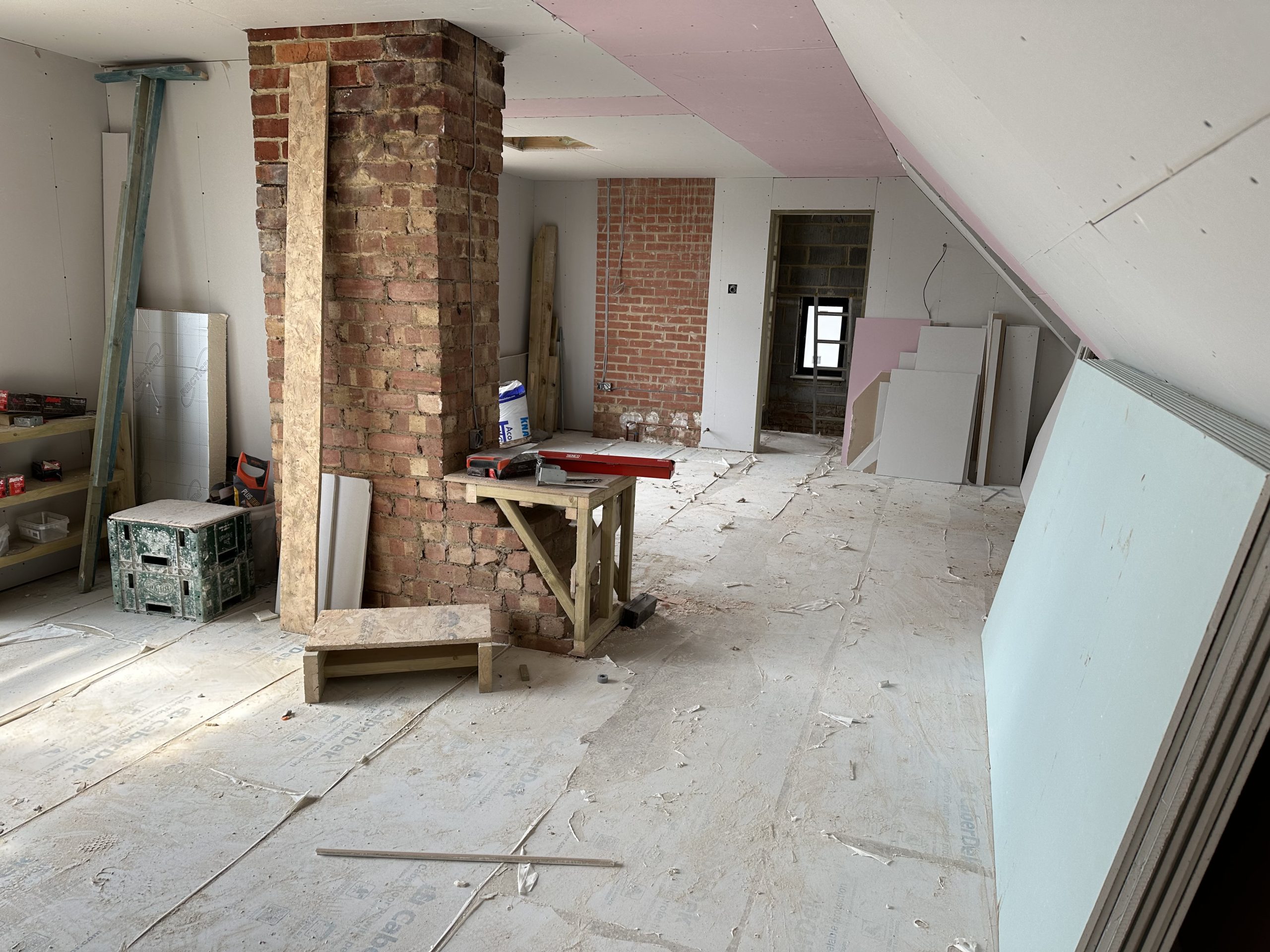
Without a clear design plan, many decisions end up being made on site, often under time pressure.
4. Managing the Detail (So You Don’t Have To)
Renovations involve a huge number of moving parts. Not just big decisions, but hundreds of smaller ones that all need to line up.
An interior designer managing a whole-home renovation will typically handle:
- concept development
- detailed design and specifications
- sourcing furniture and materials
- procurement and ordering
- coordinating deliveries and timelines
- liaising with suppliers and trades
- resolving issues and faulty furnishings
Which means you’re not left trying to juggle everything yourself, especially at the point when the project becomes busiest.
5. Bringing Everything Together at the End
And then there’s the part most people do expect. The installation.
This is the part everyone imagines at the beginning, but it’s the part that only works properly because of everything that’s happened before it
- furniture arrives
- lighting is fitted
- artwork and accessories are layered in
It’s the moment everything comes together, and often the stage that makes the biggest emotional impact.
But it only works properly because of everything that’s happened beforehand.
Why This Matters More in Renovations
Interior design becomes particularly valuable in renovation projects because the decisions you make don’t just affect how things look.
They affect how things are built.
There are more moving parts.
More dependencies.
And less room for error.
Without a clear design plan, many decisions end up being made on site, under time pressure. And that’s rarely when the best decisions happen.
The Difference Between Decoration and Design-Led Renovation
This is where a lot of confusion comes from.
- Decoration happens at the end
- Design-led renovation happens at the beginning
When the design is properly considered early on:
- layouts are planned around real use
- lighting and electrics are positioned correctly
- materials are chosen with intention
- the finished home feels cohesive
It’s a very different experience from trying to “pull things together” once the build is already complete.
When This Level of Interior Design Makes Sense
Fully managed, ideas to installation interior design isn’t necessary for every project. But it tends to make the most sense when:
- you’re renovating multiple rooms or an entire property
- you want the house to feel cohesive as a whole
- the project involves a meaningful investment in furnishings
- you’d prefer a managed process rather than coordinating everything yourself
For many projects in Cheltenham and the Cotswolds, that typically means an overall investment in the region of £150,000 to £500,000+, depending on the size and scope of the home.
What Does This Typically Cost?
If you’d like a more detailed breakdown of how interior design costs work, we’ve covered that here:
When Should You Bring a Designer In?
If you do decide to work with a designer, timing makes a real difference.
Ideally, they should be involved during the planning stage, before building work begins.
You can read more about that here:
When Should I Hire an Interior Designer During a Renovation?
Still Deciding If It’s Right for You?
If you’re earlier in the process and still weighing things up, this guide might help:
Planning a Renovation in Cheltenham or the Cotswolds?
If you’re planning a renovation and would like a clearer sense of how the design process would work for your project, you’re very welcome to get in touch.
You can tell us a bit more about your plans here:

Julia Murray
Founder & Senior Design Director, The House Ministry
Photography credit : Nikki Kirk / Carle & Moss