
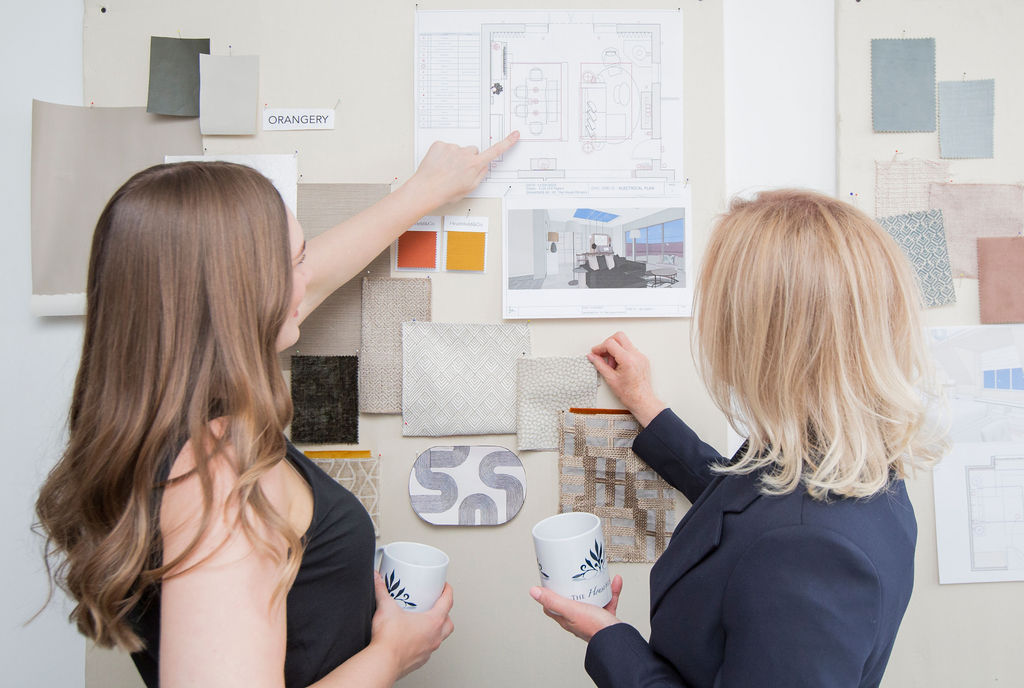
When Should I Hire an Interior Designer During a Renovation?
Many homeowners also ask a slightly different version of the same question: Should I hire an interior designer before building work starts
In most cases, the answer is yes. Involving a designer early in the renovation planning process can prevent costly mistakes, improve how the home functions, and ensure the finished spaces feel cohesive rather than pieced together.
If you search this ‘when to hire’ question online, you’ll usually see answers like:
- “At any stage of the project”
- “When you need help with finishes”
- “Once the building work begins”
Technically, those answers are not wrong.
But they are also the reason many renovation projects become far more complicated, expensive, and stressful than they need to be.
In reality, the best time to hire an interior designer is during the planning and design stage of a renovation, before building work begins.
Ideally, the designer should be involved when:
- The layout of the home is still being planned
- Furniture layouts are being considered
- Lighting and electrical plans are being developed
- Joinery and storage solutions are being designed
Hiring a designer early allows the design to guide the renovation, rather than trying to adapt the interiors once construction is already underway.
The earlier the design is considered, the easier it becomes to create a home that feels cohesive, thoughtful and genuinely enjoyable to live in.
For homeowners planning a renovation in Cheltenham, the Cotswolds or Gloucestershire, this timing can make a remarkable difference to both the process and the final result.
The short answer: before construction starts
The ideal moment to hire an interior designer is during the design and planning phase of a renovation.
This is typically when:
- Architectural layouts are still being developed
- Room functions are being discussed
- Structural decisions are not yet finalised
At this stage, interior design can shape decisions such as:
- Furniture layouts
- Lighting and electrical placement
- Storage planning
- Joinery design
- Material selections
- The overall aesthetic direction of the home
Once construction begins, these decisions become harder and often far more expensive to change.
Why Hiring a Designer Early Makes Renovations Work Better
One of the most common renovation problems is that architecture and interior design are treated as separate phases.
The house is designed first.
The interiors are considered later.
This often leads to small but frustrating issues such as:
- Lighting positioned incorrectly for furniture layouts
- Rooms that look beautiful but are difficult to furnish
- Storage that does not reflect how the household actually lives
- Electrical points placed where they are no longer useful
None of these problems are catastrophic. But together they can make a home feel oddly uncomfortable, even if it looks good.
A design-led renovation works the other way around.
Instead of asking “What should this room look like?” once construction is finished, the design process asks much earlier:
“How will this room actually be used?”
Once that question is answered properly, many other decisions become easier.
The Surprisingly Expensive Cost of Late Design Decisions
There is an interesting behavioural quirk in renovation projects.
People are often extremely cautious about hiring a designer early, yet perfectly comfortable making expensive changes during construction.
A few common examples include:
- Moving electrical points after plastering
- Reworking cabinetry once joinery is underway
- Adjusting layouts when furniture doesn’t fit
- Replacing materials once finishes clash
Each change feels small at the time.
But together they can quietly add tens of thousands of pounds to a renovation.
Planning the design earlier often prevents these decisions from happening under pressure later.
Or put another way:
The cheapest design decision is the one made before the builder arrives.
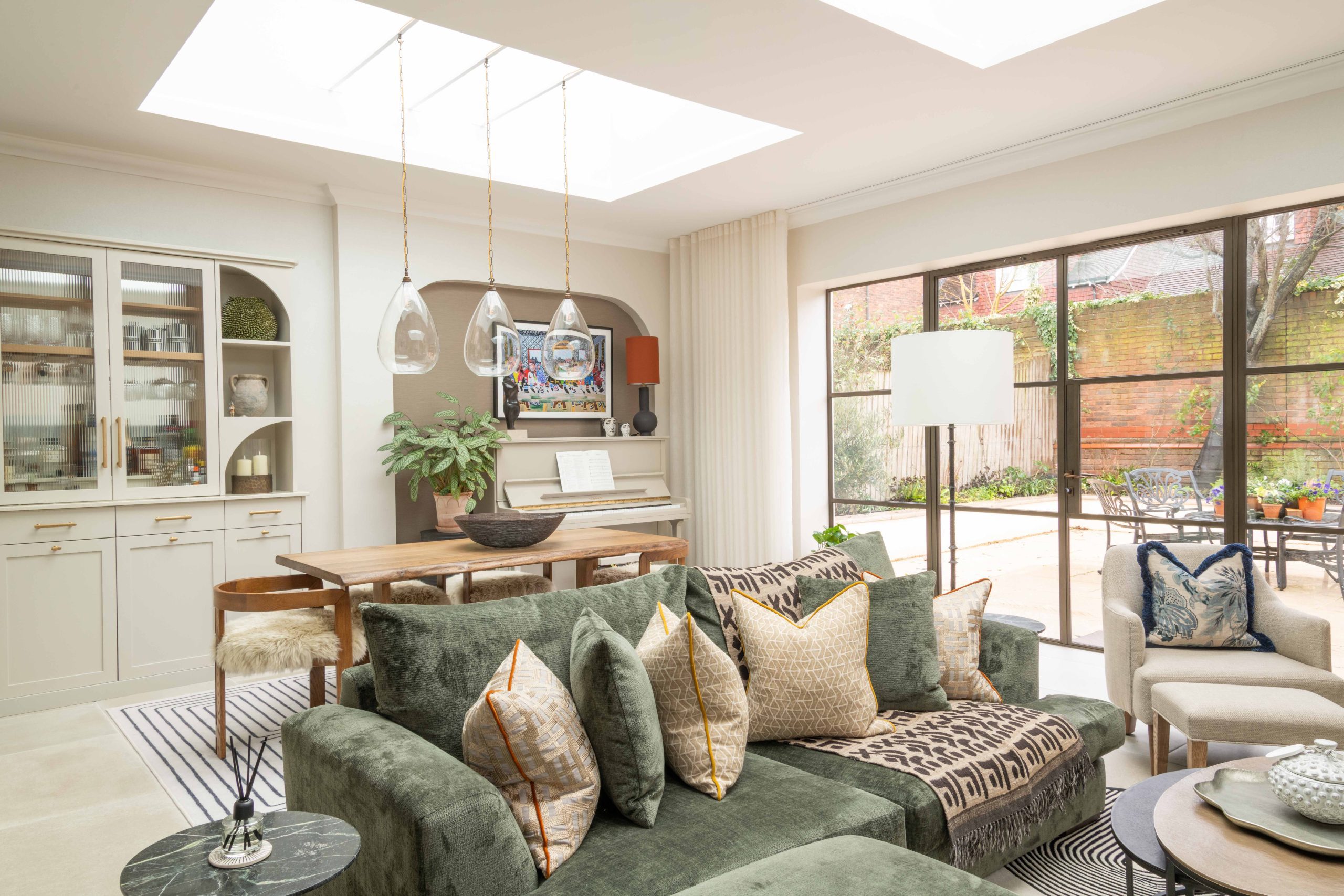
A considered layout, resolved lighting, and carefully planned joinery – all decided before building work begins.
How Design-Led Renovations Actually Work
At our studio, renovation projects typically follow a six-step process that ensures the design is fully considered before the majority of site work begins.
Step 1 — Foundation
The first stage focuses on understanding the client.
This includes:
- How they live in their home
- How they entertain
- Their aesthetic preferences
- Their long-term lifestyle aspirations
The goal is not simply to create something beautiful.
It is to create a home that reflects the people who live there.
Step 2 — Concept Design
This stage establishes the direction of travel for the entire home.
We develop:
- Furniture layouts
- Spatial flow between rooms
- The overall design language
- Early visual concepts
Furniture layouts are particularly important.
Designing the room around how it will actually be furnished ensures proportions and circulation work properly.
Once this stage is approved, the project has a clear structure.
Step 3 — Detailed Design
This is where the scheme becomes tangible.
We select:
- Fabrics and upholstery
- Furniture pieces
- Lighting
- Joinery details
- Finishes and materials
- Colour palettes
Every decision is considered in relation to the whole house, ensuring the design feels cohesive rather than room-by-room.
Step 4 — Procurement and Scheduling
Once the design is approved, the studio manages:
- Ordering furnishings and materials
- Tracking lead times
- Scheduling trades and deliveries
Many high-quality pieces have long lead times, so planning this stage carefully is essential.
Step 5 — Site Work and Order Tracking
During the renovation we coordinate with the build team and track deliveries.
Because the design decisions have already been made, the site team can focus on execution rather than problem-solving.
Step 6 — Installation and Final Reveal
Finally, the home is installed.
Furniture, lighting, artwork and styling elements come together to complete the design.
This stage is where the house finally feels like a home.
The Advantage of Designing the Whole Home First
Another common question during renovations is whether to design the house room by room.
While this might feel practical, it often leads to:
- Inconsistent style
- Repeated design decisions
- Rooms that don’t relate well to each other
Whole-home planning creates a cohesive environment where materials, colours and proportions feel balanced throughout the property.
This approach is particularly valuable for large renovation projects.
What Does Whole-Home Interior Design Cost?
For many homeowners, understanding the typical investment helps clarify whether full-service interior design is the right approach.
For projects in Cheltenham and the Cotswolds, typical investment ranges are:
- Minimum viable project: around £150,000
- Typical projects: £250,000–£400,000
- Larger homes: £500,000+
These figures usually include furnishings, materials and the full design process.
If you’d like a more detailed breakdown of how interior design costs work, we’ve covered that here:
Is Interior Design Right for Your Renovation?
Full-service interior design (an ideas to final installation service) tends to work best when you are:
- Renovating multiple rooms or an entire home
- A cohesive design across the property is important
- The project involves a significant investment in furnishings
- You want the process professionally managed
All of our projects involve design-led renovations where the interior design is established before construction begins.
This approach tends to create smoother projects and more considered homes.
You can read more about that here:
When Should I Hire an Interior Designer During a Renovation?
Interior Design for Renovations in Cheltenham and the Cotswolds
Many of our projects involve period properties, townhouses, new build and country homes across Cheltenham, Gloucestershire and the Cotswolds.
In these homes especially, careful design planning before construction begins can make a significant difference to how the spaces flow and function once completed.
While we occasionally work further afield for larger projects, most of our work is based within the Cheltenham and Cotswolds region.
Planning a Renovation in Cheltenham or the Cotswolds?
If you are planning a renovation or redesign and would like guidance on the design process, you can start by telling us about your project.
You can share the details here:

Julia Murray
Founder & Senior Design Director, The House Ministry
Photography credit : Nikki Kirk / Carle & Moss & Amanda Jackson Interior Photography