
Do I Need an Interior Designer for a Renovation? (And When It Actually Makes Sense to hire one)
If you’re planning a home renovation, there’s a moment where the question inevitably comes up:
Do we actually need an interior designer, or can we manage this ourselves?
Many homeowners also ask a similar question: “Do I need an interior designer before renovating?”
In most cases, the answer depends on the scale of the project, but for larger renovations, involving a designer early can make a significant difference to both the process and the final result.
But it’s a fair question to ask. After all, you may already be working with an architect. You’ll have a builder. There are countless decisions to make. Adding another professional into the mix can feel like an unnecessary extra.
And yet, many of the most successful renovations have one thing in common:
They are designed before they are built.
So the real question is not just whether you need an interior designer.
It’s:
At what point does a renovation become complex enough that design thinking makes a meaningful difference?
The short answer: You may not need an interior designer for every renovation
But you are far more likely to benefit from one if:
- You are renovating multiple rooms or an entire home
- You want a cohesive design across the property
- The project involves a significant investment in furnishings
- You want to avoid making costly decisions during construction
For these types of projects, an interior designer is not simply adding decoration.
They are helping shape how the home will actually work, which has a lasting impact on how you live in it day to day.
Why Many Renovations Feel Slightly Underwhelming when finished (Even When They Look Good)
There is an interesting pattern in many renovated homes. They look impressive at first glance. The finishes are high quality. The spaces are clearly improved.
And yet, something feels… slightly unresolved.
Often, this comes down to one thing:
👉 The design was considered after the structure was already fixed. Which is a bit like choosing where to hang the paintings after the walls have already been built in the wrong place.
This can lead to subtle but frustrating issues:
- Lighting and power sockets that don’t align with how the room is used
- Furniture layouts that feel a bit shoe-horned into a space
- Storage that doesn’t reflect real needs
- Materials or colour schemes that are too bland and don’t quite relate from one room to another
- Furniture choices without personality, that look like they all came from the same range.
Individually, these are small things. Collectively, they affect how a home feels to live in.

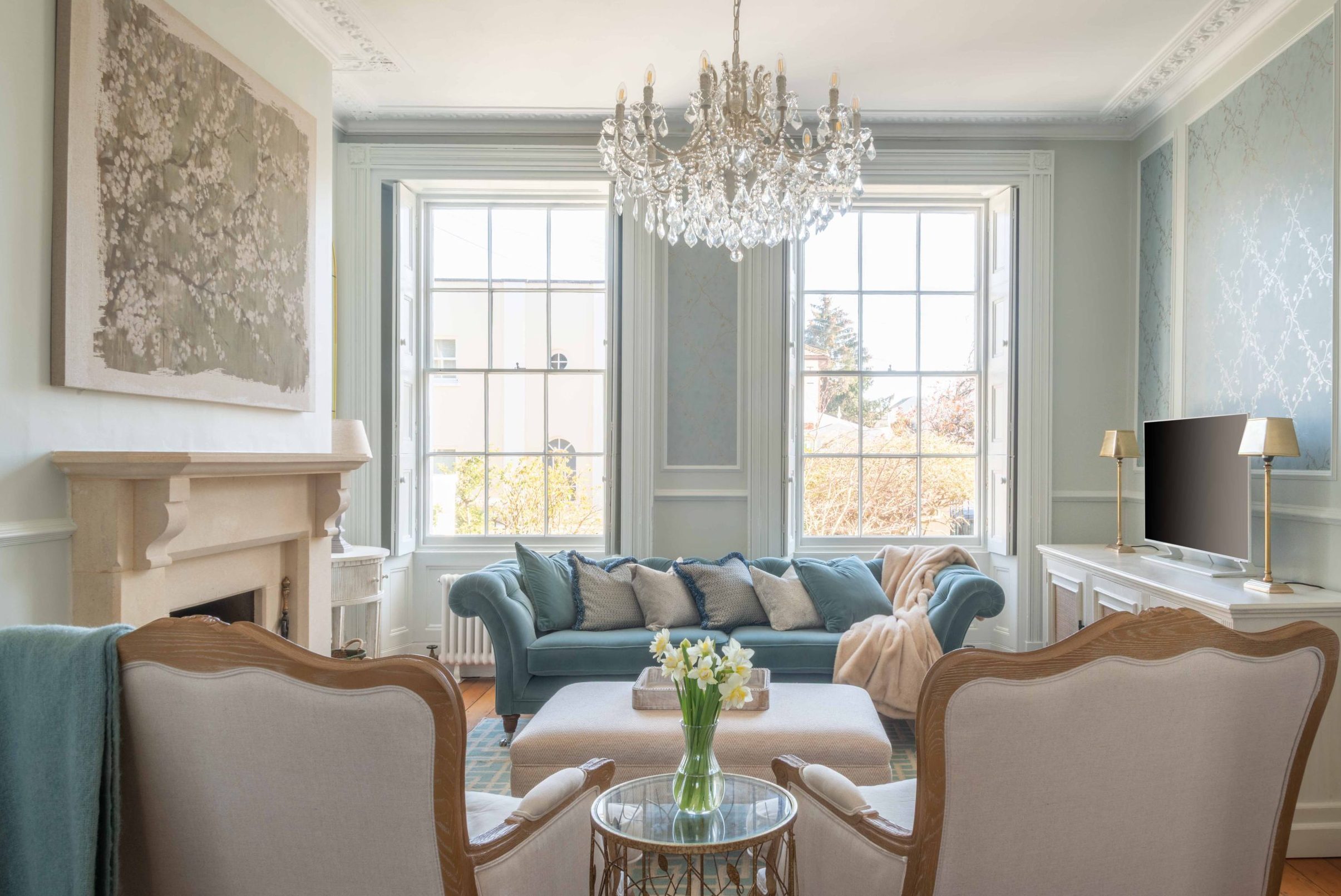
A space where layout, storage and lighting have been considered together – not added in later.
What an Interior Designer Actually Changes in a Renovation
A good interior designer doesn’t just make a home look better. They change when and how decisions are made.
Instead of asking during construction:
“What should we put here?”
They help you answer much earlier:
“How do we want this home to feel and function once it’s finished?”
That shift in timing has a surprisingly large impact.
1. They Plan the Home Around How You Live
Before materials or colours are selected, the focus is on:
- How rooms will be used
- How people move through the space
- What furniture is needed and where it will be placed
- What storage is actually needed
This often influences layout decisions in ways that are difficult or costly to change later.
2. They Create a Cohesive Design Across the Whole House
When rooms are designed individually, they can feel disconnected from one another.
A whole-home approach ensures cohesion:
- Materials flow naturally between spaces
- Colours feel balanced across the property
- The home has a consistent design language
This is particularly important in larger homes and renovations.
3. They Prevent Expensive Changes During Construction
There is a common assumption that hiring a designer adds cost.
In reality, one of their most valuable roles is preventing unnecessary costs.
For example:
- Planning lighting before first fix rather than moving it later
- Designing joinery before it is built
- Selecting materials before orders are placed
- Ensuring windows are in the right place for curtains or artwork in new builds
A useful way to think about it:
Good design feels expensive upfront. Poor decisions are what make renovations unnecessarily costly.
4. They Manage Complexity Behind the Scenes
Renovations involve a large number of decisions and moving parts.
A professional interior designer typically manages:
- Concept development
- Detailed design development
- Furniture and material sourcing
- Procurement and ordering
- Scheduling and coordination
- Installation and final styling
This creates a more structured and less reactive process.
When You Might Not Need an Interior Designer
It is equally important to be clear about when interior design may not be necessary.
For example:
- Updating a single room without structural changes
- Cosmetic and partial updates such as repainting or replacing furniture
- Projects where you enjoy managing every detail yourself
Interior design becomes most valuable when the project involves scale, complexity and long-term decisions.
The Difference Between Decorating and
Design-Led Renovation
Many homeowners understandably associate interior design with decoration.
But in renovation projects, the distinction is important.
- Decoration happens at the end
- Design-led renovation happens at the beginning
When the design is established early:
- Layouts are planned properly
- Lighting and sockets are positioned correctly
- Materials are selected with intention
- The home feels cohesive once complete
This is why many larger projects benefit from involving a designer early in the process.
What Does Interior Design for a Renovation Typically Cost?
Understanding the level of investment involved can help clarify whether full-service design is the right fit.
For many projects in Cheltenham and the Cotswolds, typical investment ranges are:
- Minimum viable project: around £150,000
- Typical projects: £250,000–£400,000
- Larger homes: £500,000+
These figures generally include furnishings, materials and the full design process.
For a more detailed breakdown, you can read our guide :
When Should You Bring an Interior Designer Into a Renovation?
If you do decide to work with a designer, timing is important.
Ideally, they should be involved during the planning stage, before building work begins.
We explain this in more detail here:
When Should I Hire an Interior Designer During a Renovation?
Is This the Right Type of Project for Interior Design?
Full-service interior design is typically most suitable for projects where:
- You are renovating multiple rooms or an entire property
- You want a cohesive design across the whole home
- The project involves a significant furnishing investment
- You prefer a managed process from concept through installation
For many renovation projects in Cheltenham and the Cotswolds, the investment in furnishings and design typically ranges from £150,000 to £500,000+ depending on the size and scope of the home.
Planning a Renovation in Cheltenham or the Cotswolds?
If you are considering a renovation and would like guidance on whether interior design is the right approach for your project, we would be happy to hear more.
You can tell us about your plans here:

Julia Murray
Founder & Senior Design Director, The House Ministry
Photography credit : Amanda Jackson Interior Photography